
«For the first time in a long time, I had the feeling that something could change.»

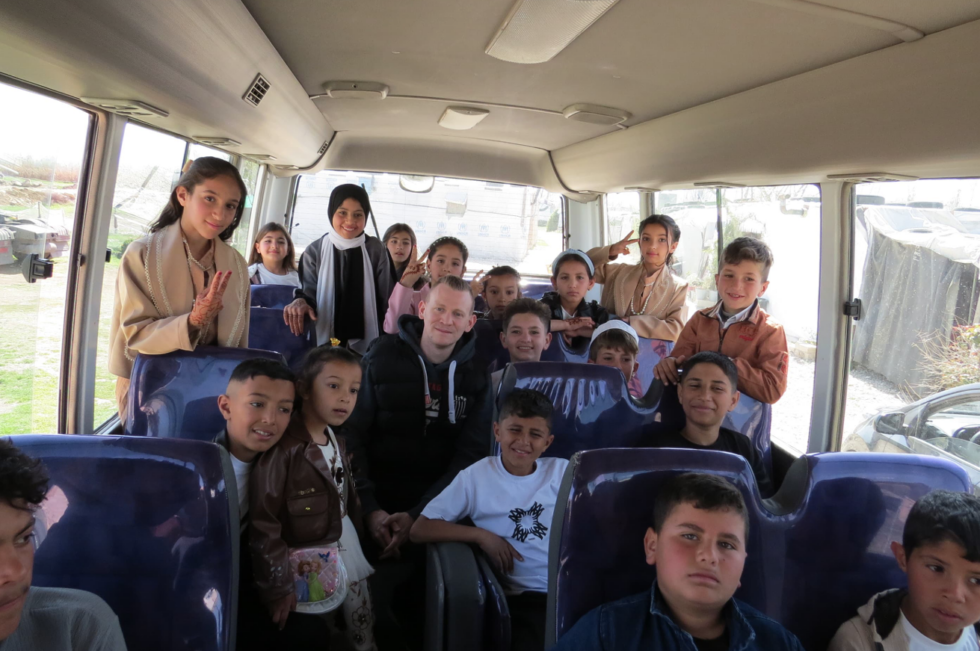
At the beginning of April, Sebastian traveled to Lebanon for the thirteenth time as a volunteer for Borderfree. In this interview, he talks about his experiences in the refugee camps and the one sentence that has stayed with him to this day.
Sebastian, who are you and what motivates you to spend your vacations doing humanitarian aid work?
My name is Sebastian, I'm 33 years old and I come from the Bern area. I like to be active, play sports and love to travel and get to know new cultures.
I visited Lebanon for the first time almost four years ago – and somehow the country has stayed with me ever since. I couldn't just forget the poverty, the difficult living conditions of the Syrians and Lebanese, and the lack of prospects for some of the children and young people. Especially when compared to our privileged life in Switzerland. So I ended up going back a second time, then a third time – and last week I was there for the 13th time.
My motivation is simple: I want to help. When I know that someone needs support, I find it difficult to do nothing. I know that I can't help everyone – but if I can help even one person, it's more than worth it.
And how do you prepare for your assignments?
Before I travel to Lebanon, I always talk to Nassib, our Borderfree employee on site. Together, we consider how I can best contribute during my stay – for example, by distributing diesel in winter or handing out food and hygiene items. Nassib also knows families or individuals who need medical assistance – for example, in the form of medication or operations. I also support a Syrian family there. I check with him to see what else they might need. That way, I'm well prepared and have a rough idea of how much money I need to budget for what kind of help.
I also discuss the security situation with Nassib – it has deteriorated significantly since October.
Otherwise, the preparation is the same as for any other trip abroad. Compared to my first visit, however, I am no longer so worried about what might happen. (Editor's note: Sebastian grins.)
In your video, we get a direct insight into your missions. What do you remember most about your last visit?
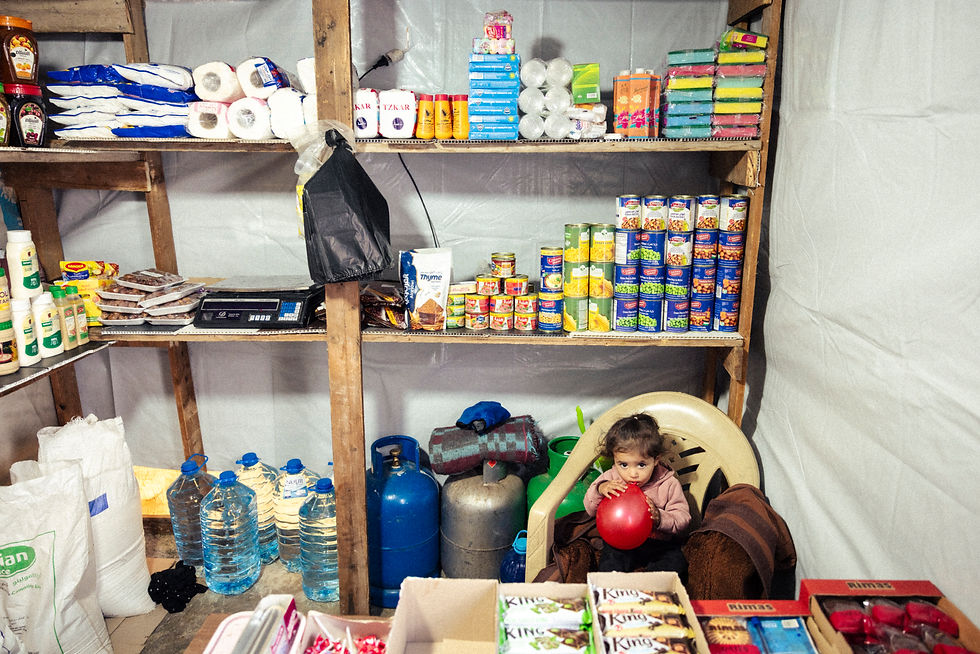
Definitely Camp Number 52, where we distributed hygiene kits. The hygienic conditions there are catastrophic—I can hardly imagine how people can live like that. I have helped in many camps, but this one particularly affected me.
During the distribution, one woman said, “Now I can finally give my child a shower.” That sentence has stayed with me. Something that we take for granted is not a given for others.
How do you find the people there?
I find both Lebanese and Syrians to be open, helpful, and incredibly hospitable. Even though they themselves have very little, they almost always invite you in for tea or coffee. (Sebastian laughs.) These gestures touch me every time.
And how do you think they see you?
How do they perceive me? Good question! I think they see me as an open, approachable person. It certainly helps that I speak a little Arabic. That often surprises people at first, but it immediately breaks the ice.
We know that we come from very different cultures. And yet, I have never found that to be an obstacle. Neither for me nor for them. On the contrary.
What do you take back with you to your everyday life in Switzerland?
Every time I come back to Switzerland, I try to remind myself how privileged my life is here and appreciate a little more what we have here. I try to anchor this gratitude—sometimes I succeed better, sometimes less so. (Editor's note: He grins.)
When someone tells me that they can finally shower their child, I know that I really shouldn't complain about “problems” at work.
Is there anything you would like to share with the readers of this interview?
I think commitment is something very valuable. If you have the time and financial means, you should get involved – whether it's for people in Switzerland or abroad, for animals or for another cause. That's what makes a society based on solidarity.
And: I can only recommend everyone to visit Lebanon at least once. Sure, the security situation is tense at the moment and the economic situation is very difficult. But on my last visit, for the first time in a long time, I had the feeling that something could change.
Once the country stabilizes politically, a trip there is definitely recommended.

Comments